Behind the Numbers: Algorithmic Influences on NFL Odds at Leading US Sportsbooks
Lars Sullivan · Aug 22, 2026

Behind the Numbers: Algorithmic Influences on NFL Odds at Leading US Sportsbooks
Leading US sportsbooks now rely on sophisticated data algorithms to manage NFL odds in real time, and these systems process thousands of variables each second to adjust spreads, totals, and player props before bettors even place wagers. Operators in states such as Nevada, New Jersey, and Pennsylvania have integrated machine learning models that track betting volume, line movement patterns, and external data feeds ranging from injury reports to weather updates.
These algorithms operate continuously throughout the week, yet the most noticeable shifts occur on game days when live data streams accelerate the pace of changes. One model might detect heavy action on a particular side of a spread and automatically widen the number by half a point while simultaneously lowering limits for sharp bettors. Observers note that this automated response helps operators balance risk across thousands of concurrent markets.
How Core Variables Feed into Real-Time Adjustments
Algorithms pull from structured data sets that include historical performance metrics, current roster availability, and advanced analytics such as expected points added. When a starting quarterback is ruled out on Thursday, the system recalculates win probabilities and revises both the moneyline and over/under within minutes. Research from sports analytics groups shows these updates often precede manual interventions by oddsmakers, allowing lines to move faster than in previous decades.
External inputs such as wind speed forecasts and stadium temperature also trigger automated recalibrations, especially for totals markets. A model might reduce the projected points by three when sustained winds above 15 miles per hour are confirmed, then redistribute that adjustment across correlated player props like passing yards. Bettors who monitor these shifts sometimes notice the total dropping a full point between morning and kickoff without any public explanation.
Market Balance and Risk Management Across Major Platforms
Operators maintain separate risk engines that monitor exposure on each side of every NFL contest, and algorithms flag imbalances when one side attracts disproportionate volume. In August 2026 pre-season games, for example, several books reported automated reductions in maximum wager sizes on certain overs after early sharp money targeted those totals. This approach keeps overall liability within predefined thresholds while still allowing recreational volume to flow.
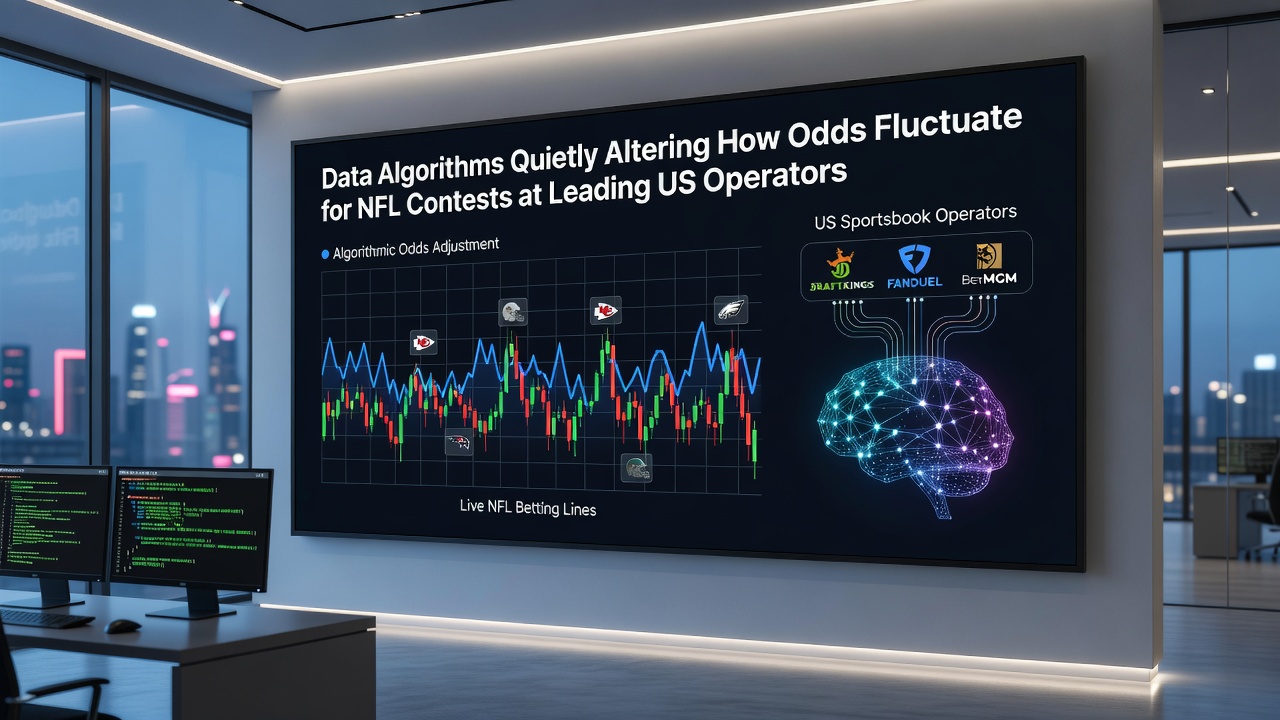
Platforms cross-reference their own data with industry-wide feeds to detect correlated betting across multiple operators, and this shared intelligence helps prevent large syndicates from exploiting temporary discrepancies. According to a report issued by the American Gaming Association, coordinated algorithmic monitoring has contributed to more stable hold percentages in NFL markets over the past two seasons.
Player Prop Markets and Micro-Adjustments
Player prop betting has grown rapidly, and algorithms now handle far more individual markets than traditional side and total lines. Each prop carries its own set of variables, from snap counts to defensive matchup history, so models update these numbers independently yet remain aware of correlations with the main game lines. When a defensive lineman is listed as questionable, the algorithm might simultaneously lower his sack prop while raising the opposing quarterback's completion percentage line.
Those who study line movement data have documented cases where prop odds shifted by multiple increments in under ten minutes during injury news cycles. The speed of these changes reflects the volume of data ingested rather than manual review, and the same systems continue to refine pricing even after kickoff using live play-by-play feeds.
Regulatory Context and Transparency Requirements
State gaming regulators require operators to maintain logs of all algorithmic adjustments, and these records allow oversight bodies to review whether lines remained fair and non-manipulative. Canadian provincial regulators have adopted similar reporting standards for cross-border sportsbooks, providing another layer of comparative data on how algorithms behave under different rulesets. Industry organizations such as the European Gaming and Betting Association have published frameworks that some US operators reference when designing internal controls.
Academic researchers at institutions including the University of Nevada, Las Vegas, continue to examine the long-term effects of algorithmic pricing on market efficiency. Their findings indicate that while lines have become more responsive to new information, certain inefficiencies still appear during low-volume periods such as late-night updates or holiday weekends.
Conclusion
Algorithmic systems now form the backbone of NFL odds management at major US sportsbooks, processing vast data streams to produce frequent, data-driven fluctuations that respond to both betting patterns and external events. As these tools evolve, operators and regulators alike continue to refine the balance between automation speed and market integrity, shaping how odds move across the 2026 season and beyond.