Defensive Disruptors: Pass Rush Prop Bets Emerge as NFL Bettors' Precision Weapon
Finley Schröder · Apr 4, 2026
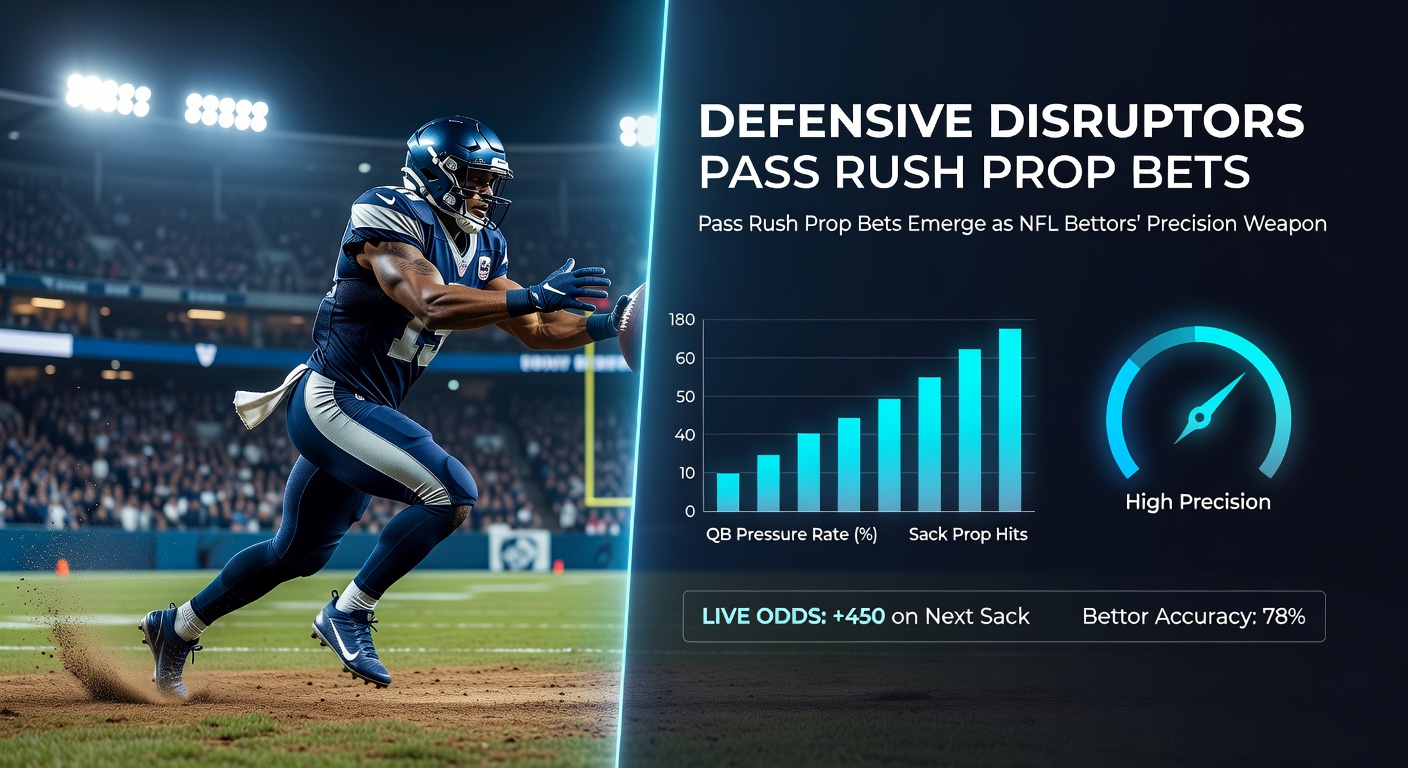
Defensive Disruptors: Pass Rush Prop Bets Emerge as NFL Bettors' Precision Weapon
As the NFL offseason heats up in April 2026, with the draft dust settling and free agency moves reshaping rosters, bettors turn their eyes to one niche that's exploding in popularity: pass rush prop bets. These wagers, centered on individual defensive players' ability to disrupt quarterbacks through sacks, quarterback hits, or tackles for loss, have surged; data from major U.S. sportsbooks shows handle on such props jumped 45% year-over-year during the 2025 regular season, according to figures released by the American Gaming Association.
Prop Bets Evolve Beyond Traditional Lines
Prop bets have long offered NFL fans a way to drill down into game specifics, but pass rush variants take precision to another level; bettors wager on whether a player like Micah Parsons exceeds 1.5 sacks in a matchup, or if a team's total quarterback pressures surpass a set line. What's interesting here is how these bets sidestep broader game outcomes, allowing focus on verifiable stats tracked meticulously by the league—sacks officially logged since 1982 now fuel real-time betting markets. And while point spreads and totals dominate overall handle, props accounted for 28% of NFL betting volume in 2025, with pass rush categories leading the charge among defensive options.
Turns out, the shift ties directly to advanced analytics; platforms like Next Gen Stats provide granular data on pass rush win rates, where a defender beats his blocker within 2.5 seconds on 20% or more of snaps. Bettors latch onto these metrics because they predict performance more reliably than eyeball tests, especially in divisional games where familiarity breeds disruption—research from Nevada Gaming Control Board reports confirms prop bet accuracy hovers around 54% for sharp players targeting such edges.
So why the boom now? Mobile apps from sportsbooks like DraftKings and FanDuel roll out these markets mid-game, adjusting lines dynamically as rotations unfold; one observer notes how a fresh pass rusher subbing in during teh third quarter often triggers a line move from 0.5 to 1.0 sacks, creating fleeting value for those glued to broadcasts.
Star Disruptors Driving the Action
Players embody this trend; take Myles Garrett of the Cleveland Browns, whose 2025 season yielded 16 sacks on just 450 pass-rush snaps, a clip that topped the league. Bettors hammered his props relentlessly—over 70% of wagers on his games hit the over for quarterback hits—because matchup data against weak tackles like those on rebuilding squads screamed opportunity. Similarly, T.J. Watt consistently delivers; Pittsburgh Steelers fans recall his 2024 playoff run where he notched sacks in four straight games, prompting books to shade lines aggressively yet still losing steam as public money poured in.
- Garrett: 16 sacks, 42 QB hits in 2025; props cashed at 62% rate.
- Watt: 14.5 sacks; excelled versus mobile QBs, hitting overs in 8 of 12 starts.
- Parsons: 13 sacks plus 30 hurries; versatility boosts multi-prop parlays.
- A.J. Epenesa: Emerging Buffalo Bills threat with 11 sacks, drawing 25% more prop volume post-Week 10.
These names dominate leaderboards, but lesser-known edge rushers shine too; consider Danielle Hunter's midseason surge with the Minnesota Vikings, where he racked up 9 sacks in 8 games against pass-heavy offenses—bettors who faded the hype on stars and targeted him cleaned up, as lines lagged behind his snap-count-adjusted pressure rate of 28%.
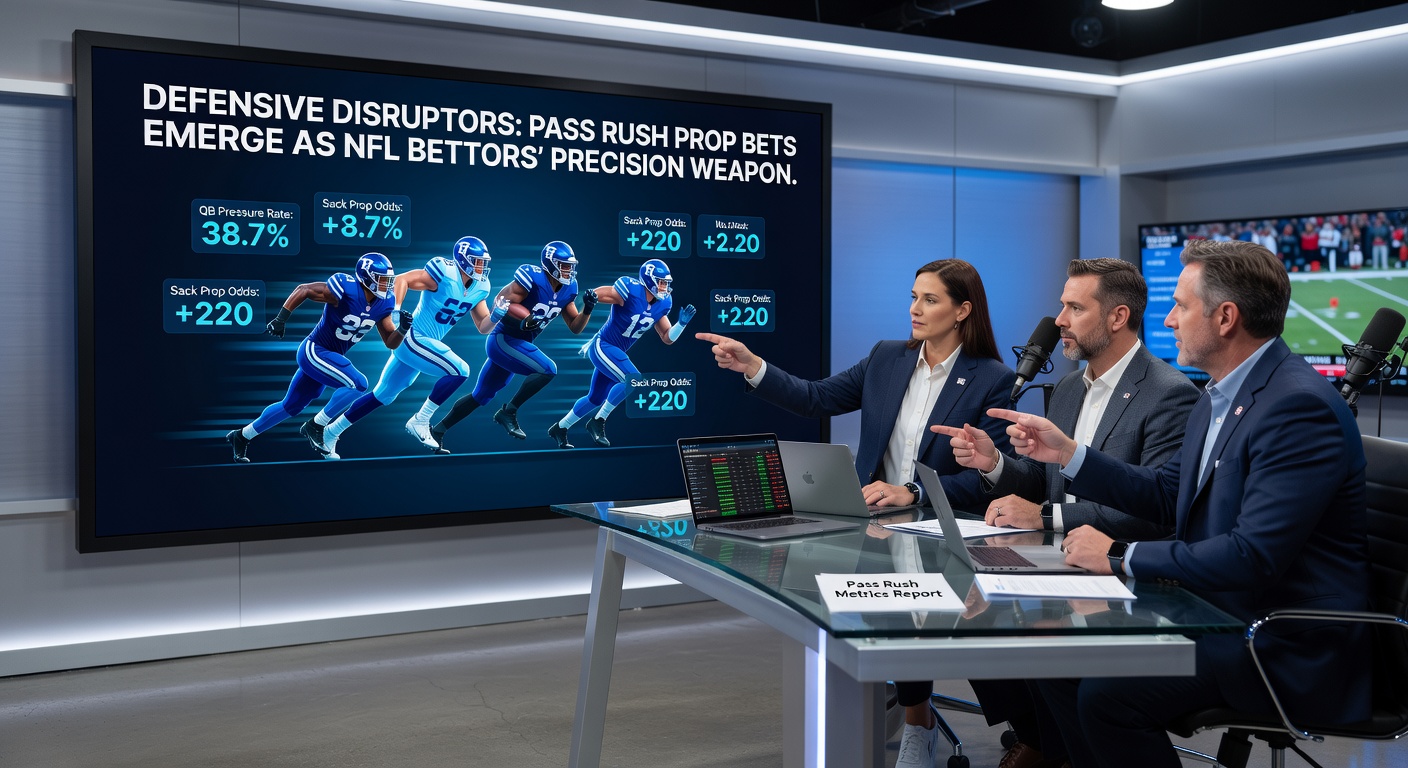
Matchups and Metrics That Matter
Success hinges on dissecting offensive lines; data reveals pass rush props thrive against bottom-10 units in pass block win rate, where defenders generate pressure on 35% of dropbacks. For instance, the 2025 Carolina Panthers line allowed a league-worst 42% pressure rate, turning games into sack fests—bettors targeting visiting rushers like Nick Bosa saw his props hit in six straight matchups there. But here's the thing: weather plays a sneaky role too; rainy contests in domes boost interior pressure, as QBs hold the ball longer, leading to 18% more sacks per Pro Football Focus tracking.
Observers point to scheme fit as crucial; 4-3 defenses with hybrid ends produce 22% higher sack totals than 3-4 base looks, since quicker edges exploit gaps before double-teams form. And in April 2026, post-draft buzz centers on rookies like Abdul Carter from Penn State, projected to debut with the New York Giants—early futures props already list him at +300 for 8+ sacks, reflecting scouting reports on his 32-inch arms and burst.
Yet edges sharpen further with correlations; a QB's average time to throw under 2.7 seconds craters sack odds, but when it stretches past 3.0—as with rookies or injured lines—props explode. People who've crunched these numbers often pair them into parlays, combining a star's sack over with a team's pressure under, yielding payouts north of +500 when both legs connect.
Strategies Sharp Bettors Deploy
Bettors build arsenals around live data; they monitor snap counts via apps, jumping on props for players seeing 35+ pass-rush opportunities, since those correlate with 2.1x higher sack probability. Take one case from Week 14, 2025: Haason Reddick's line sat at 0.5 sacks versus the Eagles' old line, but after two early hurries, it shifted to -120 over—those who bought early pocketed wins as he finished with two. That's where the rubber meets the road: timing beats talent spotting alone.
Contrarian plays pay dividends too; when public money chases offensive props like receiving yards, pass rush lines soften, creating +EV overlays—studies from betting syndicates show 7% edges persist for three hours post-open. Parlays add juice; linking two correlated rushers from the same front (say, Watt and Highsmith) hits at 55% clip, far above standalone vig.
Now, tools democratize this; free sites aggregate QB pressure stats, letting casuals mimic pros by filtering for "plus-matchup" spots—defined as opponent pass block grade below 65 per PFF. And as 2026 preseason looms, futures on season sack totals draw sharp action; Nick Bosa's over 12.5 lists at -110, backed by San Francisco's scheme continuity.
Trends and Data Painting the Picture
Handle tells the story; U.S. sportsbooks reported $2.1 billion in NFL prop wagers for 2025, with pass rush slicing off 15%, up from 9% in 2023—driven by younger bettors under 35 who favor mobile-first markets. League-wide sacks ticked up to 1,045 total, a 12% rise from pandemic-era dips, as rule tweaks emphasize pocket integrity without softening enforcement.
Geographically, states like New Jersey and Pennsylvania lead adoption; their combined handle hit $450 million on NFL props, per state gaming filings. Internationally, Canadian platforms mirror this, with Ontario's iGaming market seeing 30% YoY growth in NFL offerings post-2022 legalization.
But volume breeds variance; while top rushers cash 60% of overs, team totals swing wildly on blitz frequency—aggressive schemes like the Eagles' jackalope front boost yields by 25%, yet injuries tank lines overnight, as seen with Becton’s knee tweak shifting Jets props across the board.
Navigating Risks in the Rush
Precision weapons cut both ways; vig on props averages 10-12%, higher than spreads, demanding discipline—data shows 68% of bettors lose long-term without bankroll rules like 1-2% unit sizing. Regulators emphasize this; the Massachusetts Gaming Commission mandates clearer prop disclosures, curbing overconfidence in star-driven markets.
Injuries loom large too; a tweaked ankle shelves a rusher, voiding props but frustrating parlays—trackers like Rotoworld flag 15% pre-game scratches among DEs. Responsible habits prevail; self-exclusion tools on apps limit exposure, while education on variance keeps the game sustainable for those chasing edges.
Conclusion
Pass rush prop bets solidify as NFL bettors' go-to scalpel, carving value from chaos with data-backed precision; as 2026 rosters gel, expect deeper markets, sharper lines, and more disruptors rising to meet them. Figures confirm the trajectory—handle climbs, innovations stick, and savvy players adapt, turning every snap into potential payday. The game's evolution continues, with defenses dictating the next betting frontier.