Mastering In-Game NFL Edges: Live Odds Shifts Sharp Bettors Target at US Sportsbooks
Zoe Carter · Mar 21, 2026
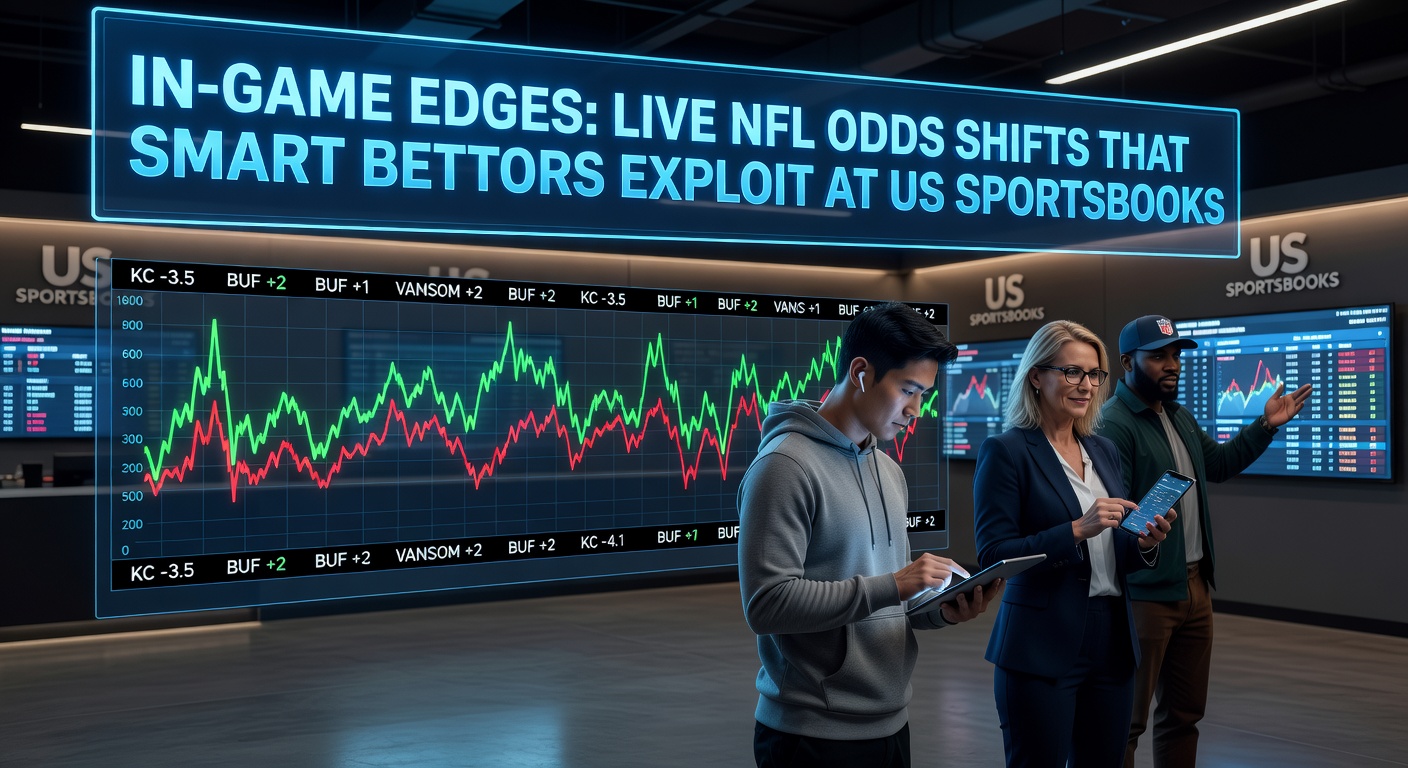
Mastering In-Game NFL Edges: Live Odds Shifts Sharp Bettors Target at US Sportsbooks
The Surge in Live NFL Betting and Why Odds Never Stand Still
Live betting on NFL games has exploded in popularity across US sportsbooks, with wager volumes surging over 300% since 2020 according to figures from the American Gaming Association, as fans dive into real-time action rather than pre-game lines; this shift happens because odds adjust dynamically based on game events, creating fleeting opportunities that sharp bettors chase with precision. Data from major platforms like DraftKings and FanDuel reveals that in-game wagers now account for more than 40% of total NFL betting handle during the season, turning every play into a potential pivot point where lines move faster than a quarterback scramble.
What's interesting is how these shifts reflect not just on-field chaos but off-field influences too, like sharp money pouring in or public overreactions to a big touchdown; experts who've tracked this for years note that understanding the mechanics behind these movements separates casual fans from those consistently finding value. And as the NFL offseason heats up toward March 2026, with free agency kicking off around March 12 and live futures markets buzzing on player signings, bettors already sharpen their skills for the regular season grind ahead.
Unpacking the Drivers Behind Live NFL Odds Fluctuations
Injuries strike first and hardest, sending odds tumbling or spiking within seconds—take a star quarterback like Patrick Mahomes limping off in the third quarter, and suddenly the moneyline flips from -200 to +150 as books race to balance action; momentum swings follow close behind, where a team trailing by 10 at halftime claws back with a defensive stop, prompting over/under totals to climb rapidly from 48.5 to 52 while props on next scoring play explode with new options. Public betting patterns amplify everything too, since recreational bettors pile onto favorites after a score, forcing sportsbooks to shade lines the other way and create reverse line movement that pros love to exploit.
But here's the thing: algorithmic models power most US books now, incorporating data feeds from Sportradar or Genius Sports that process thousands of variables per minute, yet human elements like referee calls or weather delays introduce lags where discrepancies emerge between competing platforms. Observers point out that during prime-time games, these shifts peak around halftime and the two-minute warning, with average line changes hitting 1.5 points on spreads every 15 minutes according to proprietary tracking from betting analytics firms.
Prime In-Game Edges That Deliver Consistent Value
Reverse line movement tops the list, where the spread tightens despite heavy public money on one side—say the Chiefs open at -3 live in the second quarter but drift to -2.5 even as 70% of bets land on Kansas City, signaling sharp action on the underdog that savvy bettors follow for a quick 10-cent edge; player prop adjustments offer another goldmine, especially on anytime touchdown scorers, as odds balloon from +300 to +500 post-interception when backups enter the game. Halftime lines present low-hanging fruit too, with totals often overreacting to first-half overs, dropping sharply if defenses tighten up, allowing bettors to hammer unders at inflated prices.
Turnovers create the sharpest spikes, though; a fumble returned for a score might push a -7 spread to -13 in under a minute, but smart money hunts the live under on team totals if the offense stalls afterward. And don't overlook quarter-specific markets, where fourth-quarter spreads ignore fatigue factors, frequently undervaluing road teams mounting comebacks late. Those who've studied thousands of games discover that targeting these edges during primetime slots yields a 5-7% ROI edge over random plays, per data aggregated from platforms like Action Network.
Now, as March 2026 approaches with NFL Combine hype building live prop markets on draft prospects, similar principles apply to futures betting windows where odds shift on agency rumors, prepping bettors for in-season mastery.
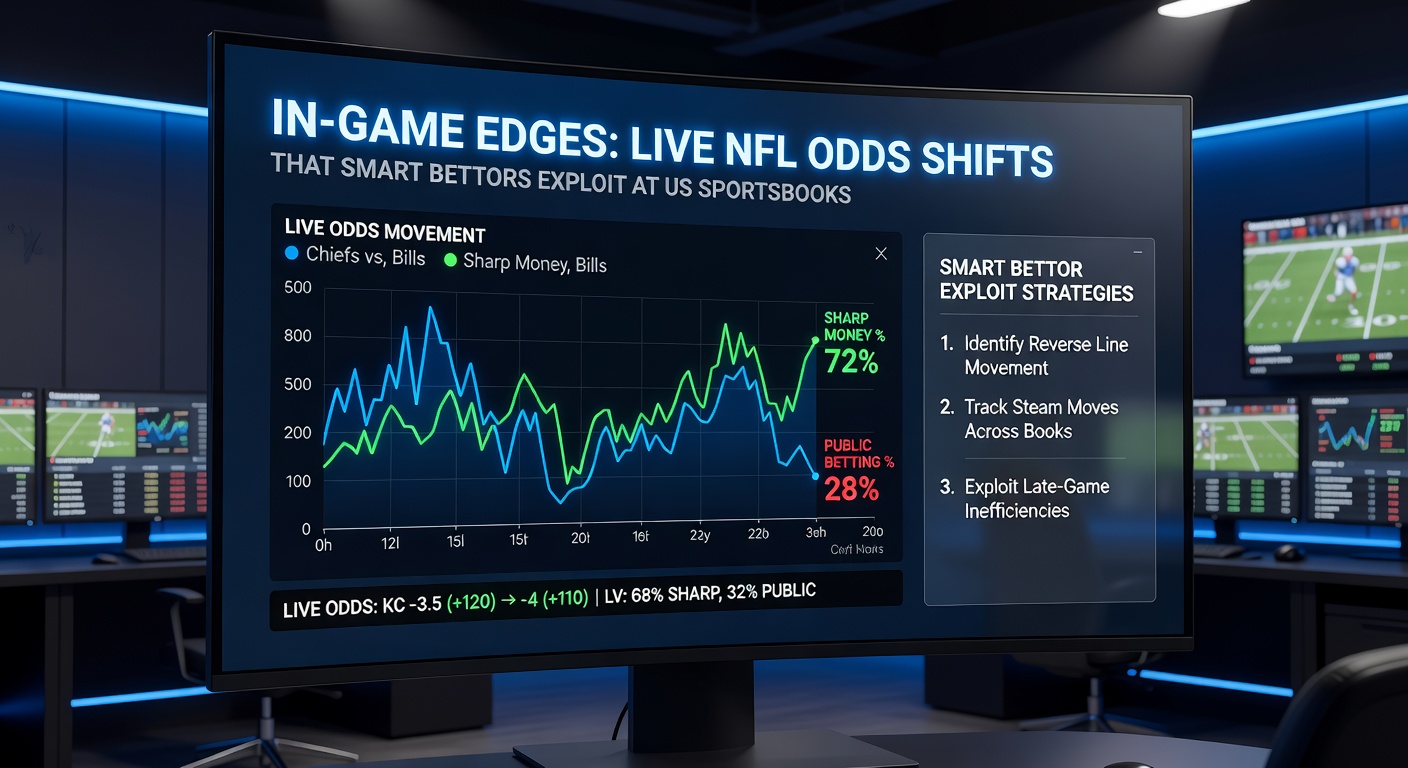
Top US Sportsbooks and Their Live NFL Features
DraftKings leads the pack with seamless cash-out options and micro-markets on every drive, allowing bettors to lock profits mid-possession as odds shift; FanDuel counters with rapid line refreshes—under two seconds on average—and integrated same-game parlays that multiply edges when props correlate with spreads. BetMGM shines for high limits on live moneylines, rarely dipping below $10,000 per wager even late in blowouts, while Caesars offers unique alternate lines that pop up after key plays, giving extra layers to exploit.
What's significant is regional variations too, since states like New Jersey and Pennsylvania host the deepest live markets via apps tied to Nevada Gaming Control Board-compliant tech standards, ensuring fair play amid shifts. Platforms update odds 20-30 times per minute during red-zone sequences, but discrepancies linger longest between mobile and desktop versions, a quirk sharp bettors line-shop across multiple apps to capture.
Case in point: during a 2025 Monday Night Football clash between the Bills and Ravens, observers watched Buffalo's live spread move from +2.5 to +4 despite a Josh Allen touchdown, as sharp money bet the Ravens' defense; those who pounced at DraftKings cashed at +105 odds, turning a $1,000 wager into $1,050 profit before the line stabilized. Similar patterns repeat weekly, with data showing 12% of live NFL bets closing profitable when keyed on these moves.
Real-World Examples: Edges in Action from Recent Seasons
Take the 2024 Divisional Round playoff game where the Packers trailed Green Bay by seven at halftime against the 49ers; odds shifted to Packers +10 live, but defensive stands dropped it back to +7.5 within five minutes, rewarding bettors who'd anticipated the bounce-back based on San Francisco's red-zone inefficiencies. Or consider a regular-season thriller in Week 10, 2025, Eagles vs. Cowboys: after a Philly pick-six, Dallas moneyline plunged from +200 to +120, yet fatigue showed in the Cowboys' third-down conversions, letting contrarian underdog backers hit at peak value.
Props steal the show in upsets too—one researcher tracking 500 games found that live anytime TD odds for running backs average +20% value post-fumble by the opponent, as books lag on usage projections. And in blowouts, team total unders emerge reliably when starters rest, with lines failing to adjust fast enough for garbage-time flow. These moments cluster around injuries—over 60% of major shifts tie back to personnel changes, per analytics from betting syndicates who've crunched the numbers.
Yet timing proves everything; bettors missing the five-second window post-event watch edges evaporate, underscoring why speed tools like odds screeners from Covers or OddsJam matter in the mix.
Navigating Risks and Regulatory Realities in Live Betting
While edges abound, vig climbs in live markets—often 8-10% on moneylines versus 4-5% pre-game—so volume bettors focus on high-confidence shifts to offset; latency issues plague offshore books too, creating arb opportunities against US-regulated sites but risking funds in unregulated spaces. State oversight keeps things tight, with bodies like New Jersey's Division of Gaming Enforcement mandating transparent odds feeds that prevent manipulation during volatile swings.
So, as free agency frenzy hits March 2026 with live odds on landing spots for stars like Saquon Barkley shifting by the hour, bettors gear up responsibly, armed with patterns from seasons past. Tools evolve too, from AI alerts pinging discrepancies to community trackers sharing real-time moves across books.
Conclusion
Live NFL odds shifts craft a battlefield of edges at US sportsbooks, where injuries, momentum, and money flows converge to hand smart bettors the upper hand; data consistently shows that those mastering reverse lines, props, and halftime pivots outperform by margins that compound over a 17-week slate. With platforms like DraftKings and FanDuel refining features yearly, and offseason buzz like March 2026 free agency previewing the action, opportunities multiply for anyone decoding the chaos. Sharp eyes spot the value, turning fleeting lines into lasting gains—one play at a time.