Stadium Elevation and Its Impact on Goal Totals in CONCACAF Fixtures via US Betting Markets
Lars Carter · Jul 30, 2026
Stadium Elevation and Its Impact on Goal Totals in CONCACAF Fixtures via US Betting Markets
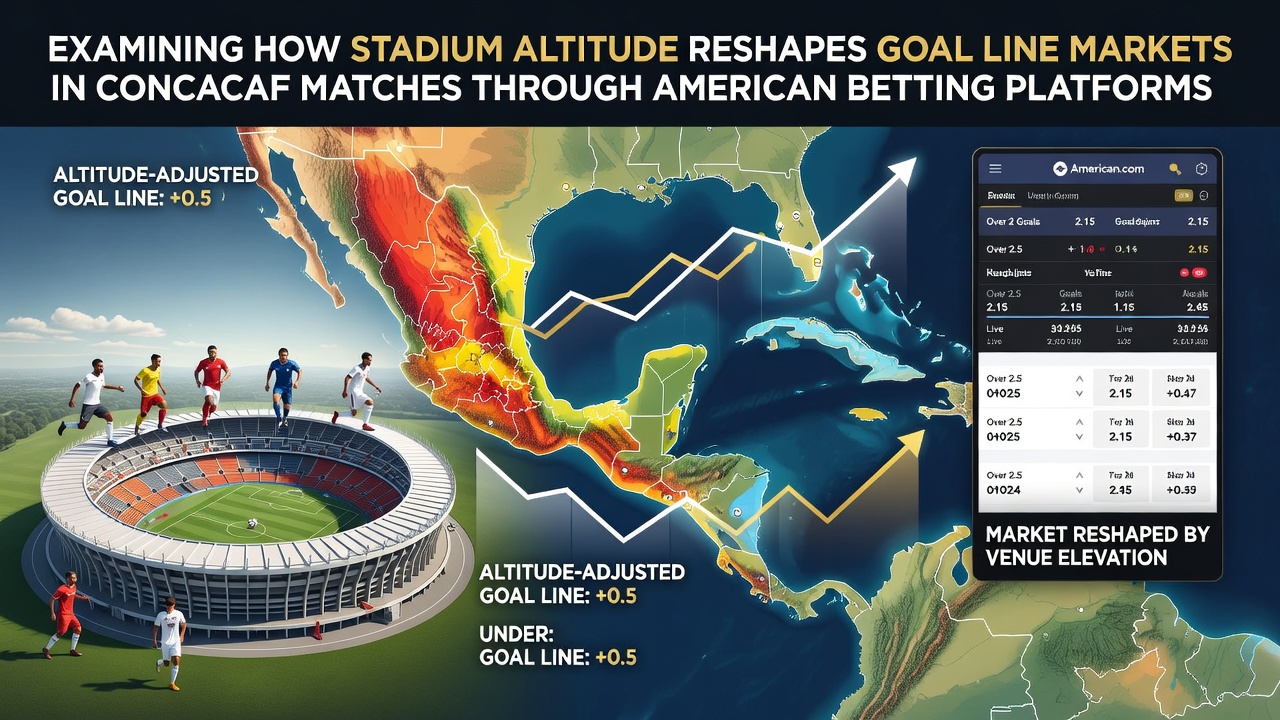
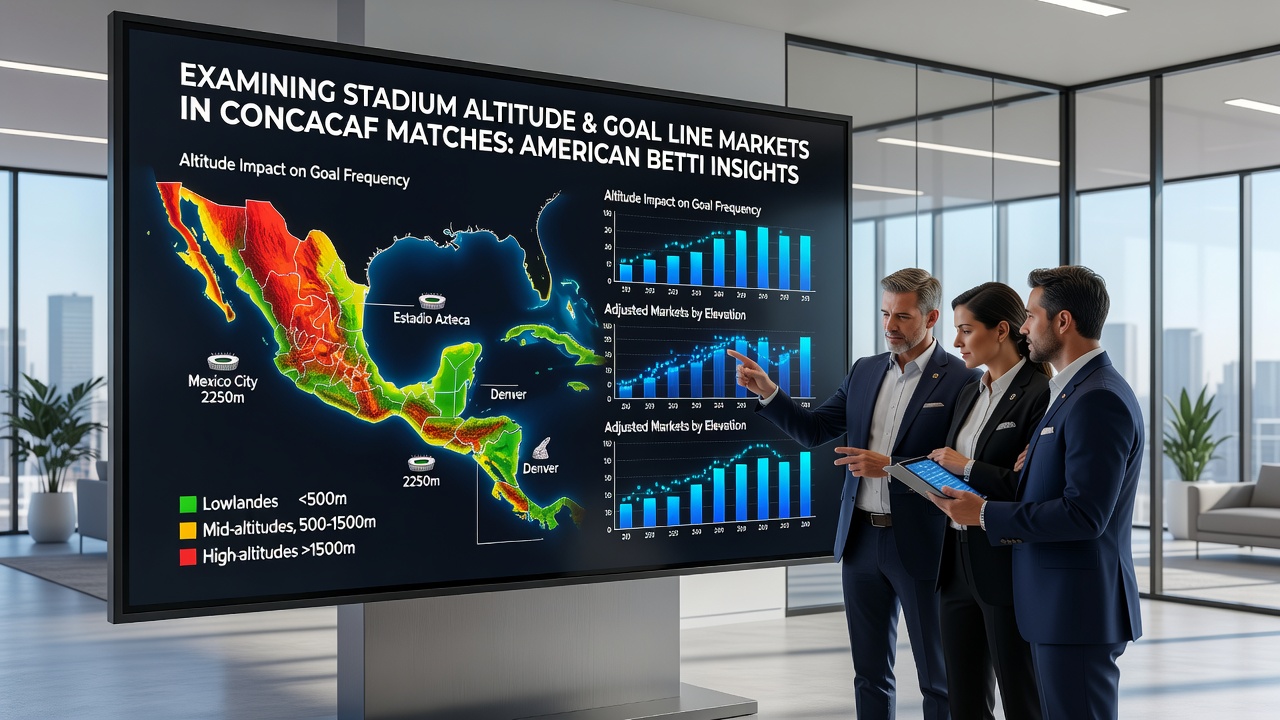
Stadium elevation plays a measurable role in shaping scoring patterns during CONCACAF matches, and American betting platforms have adjusted their goal line markets accordingly over recent seasons. Venues such as Estadio Azteca in Mexico City sit above 2,200 meters while several others across Central America exceed 1,500 meters, creating distinct physiological conditions that affect player output and match totals.
Physiological Effects of Altitude on Player Performance
Reduced oxygen availability at higher elevations forces athletes to adapt their effort distribution, with studies from sports science programs at universities in the United States and Canada documenting declines in repeated sprint capacity and recovery rates. Players cover less high-intensity distance in the second half when matches occur above 1,800 meters, while teams accustomed to sea-level training show slower work rates after the opening twenty minutes. These adjustments translate directly into fewer shots on target and reduced crossing volume, patterns that data aggregators track across league and international fixtures.
Observed Changes in Scoring Trends
Match statistics compiled by CONCACAF technical reports indicate that games played at elevations above 2,000 meters produce lower average goal counts compared with sea-level venues in the same competition cycle. The reduction appears most pronounced in the final thirty minutes, where fatigue compounds and attacking sequences shorten. American sportsbooks have incorporated these historical averages into pre-match modeling, resulting in goal line totals that open lower for high-altitude fixtures than for comparable matchups at lower elevations. Live betting markets on platforms such as DraftKings and FanDuel further tighten these lines when early match data confirms reduced tempo.
Market Adjustments on US Betting Platforms
Betting operators in regulated US states monitor altitude-related variables through proprietary data feeds that combine historical scoring rates with real-time environmental readings. When CONCACAF schedules place matches at elevated venues, oddsmakers often shade opening totals downward by 0.25 to 0.5 goals relative to neutral-site equivalents. Sharp bettors have targeted these openings in both pre-match and in-play windows, particularly when one side travels from low altitude without adequate acclimatization time. July 2026 fixtures scheduled in Mexico and Costa Rica have already prompted early line movement on major platforms, with operators citing updated performance models that account for heat and elevation combinations.
Data Sources and Industry Tracking
Industry organizations including the American Gaming Association publish periodic summaries of soccer betting handle, while academic analyses from North American research institutions continue to refine altitude adjustment formulas used by professional clubs and betting syndicates. These datasets feed into risk-management systems that flag disproportionate liability on over selections for high-elevation games. Platforms maintain separate risk thresholds for CONCACAF qualifiers versus league play because international squads often arrive with less preparation time at altitude.
Conclusion
American betting platforms continue to refine goal line offerings for CONCACAF matches by integrating elevation data with performance metrics gathered across multiple seasons. The resulting market adjustments reflect documented physiological responses rather than speculation, allowing bettors and operators alike to operate within parameters shaped by measurable environmental factors.