Subtle Influences: College Football Metrics Behind NFL Odds Adjustments in US Betting Markets
Lars Sullivan · Jun 27, 2026
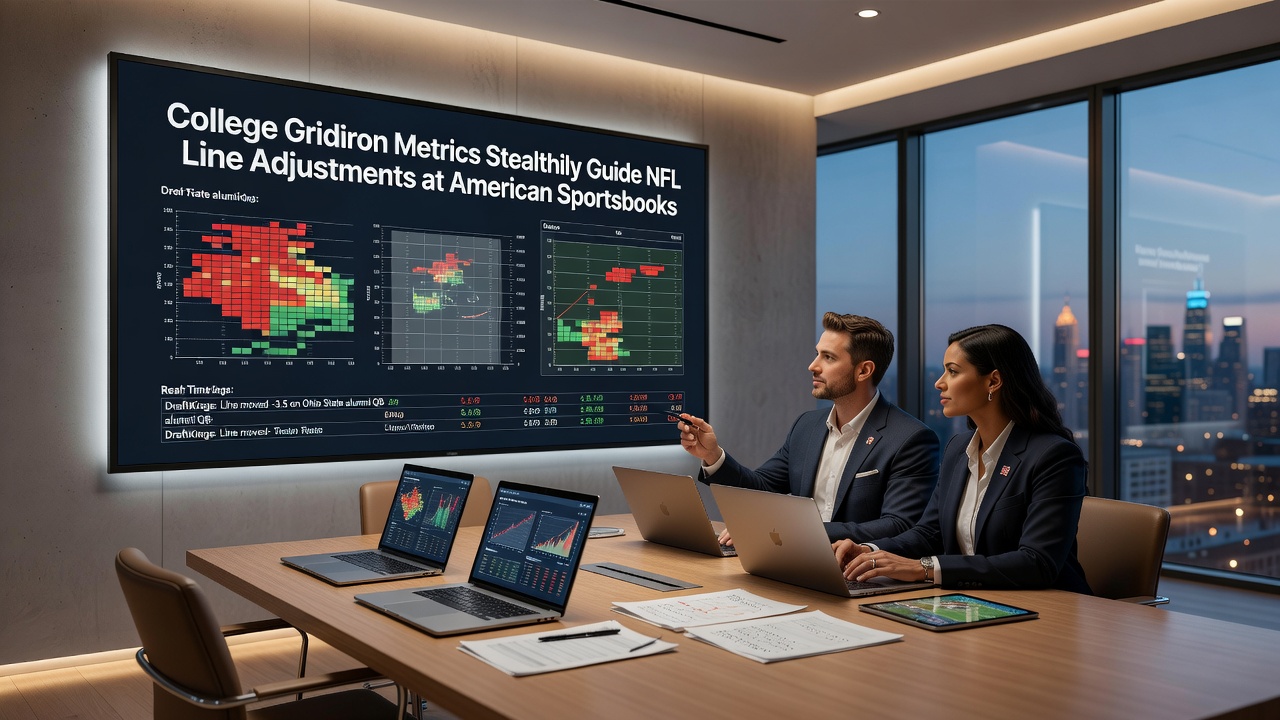
Subtle Influences: College Football Metrics Behind NFL Odds Adjustments in US Betting Markets
College football statistics have long fed into professional scouting reports, yet their role in shaping NFL betting lines at American sportsbooks operates on a quieter level. Data from university programs flows into models that sportsbooks apply when fine-tuning spreads and totals, often before public betting volume arrives. Observers note that these adjustments frequently occur during overnight or early morning windows when sharp action hits the board.
Tracking Metrics That Cross From Campus to Professional Markets
Advanced college metrics such as expected points added per play, success rate on early downs, and quarterback pressure rates receive regular monitoring by oddsmakers. These figures allow sportsbooks to project how rookies or second-year players might perform against NFL defenses that differ markedly from what they faced in conference play. When a highly drafted quarterback posts strong adjusted completion percentages against top college defenses, lines on his upcoming NFL starts can shift by half a point or more within hours of the data integration.
Research from university analytics groups shows correlations between certain college offensive line metrics and rookie performance in pass protection at the professional level. American sportsbooks incorporate these correlations into their internal algorithms, which then generate suggested line movements ahead of the weekly betting cycle. The result appears in markets where totals move lower on teams featuring former college players from high-efficiency offenses that relied on quick releases rather than deep drops.
Timing and Execution of Line Adjustments
Line adjustments tied to college data tend to occur in specific windows. Sportsbooks often release initial NFL odds on Tuesday or Wednesday following the prior week's games, then refine those numbers once college conference championship data or bowl game statistics become available. In June 2026, several major sportsbooks adjusted opening totals for rookie-heavy teams after reviewing spring practice reports that incorporated carryover metrics from the 2025 college season. These moves happened quietly, with limits lowered for early bettors until the lines stabilized.
Betting syndicates that focus on player props monitor the same datasets. When college sack rates or yards per route run align with upcoming NFL matchups, prop lines on sacks or receiving yards can shift before retail bettors notice the change. Data indicates that these early adjustments protect sportsbooks from concentrated action on one side of a prop market.
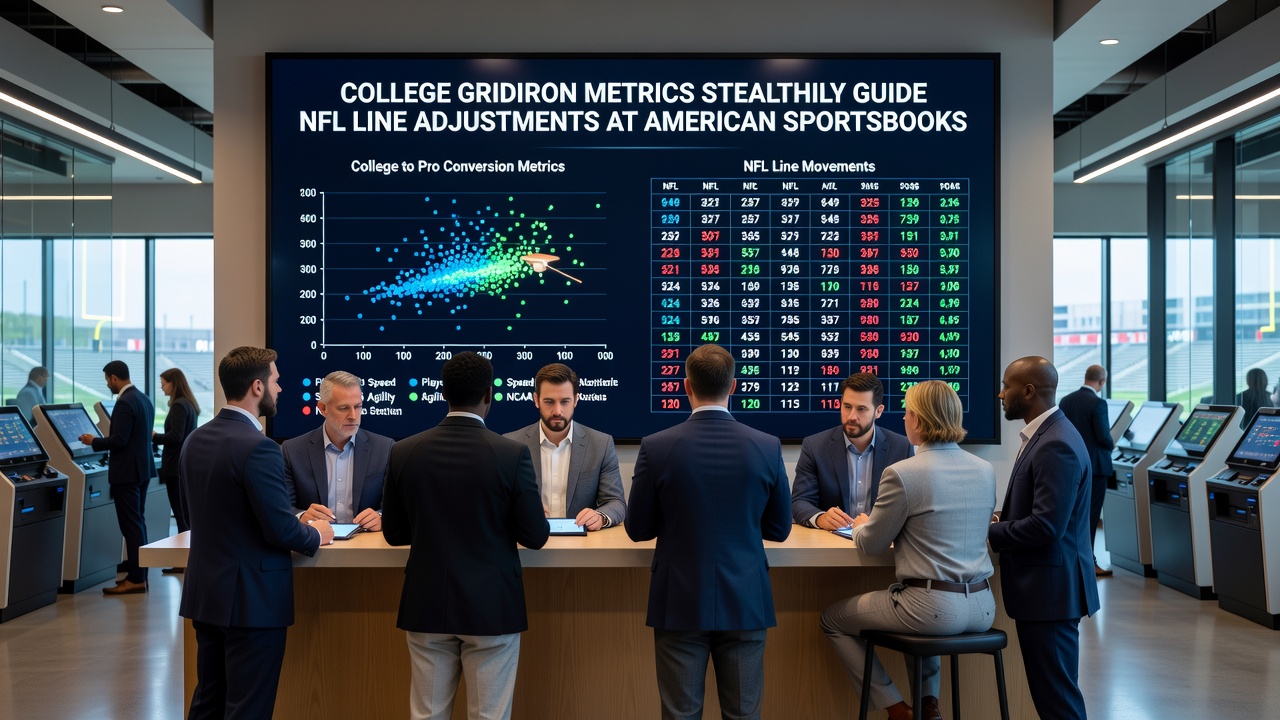
Regional Differences in Application Across US Sportsbooks
Sportsbooks operating in states with mature markets apply college metrics more aggressively than newer entrants. Operators in Nevada and New Jersey maintain dedicated analytics teams that cross-reference college film study with NFL combine data and pro day measurements. In contrast, platforms entering additional states during 2026 have begun licensing third-party models that already embed college performance indicators. This licensing approach accelerates line accuracy without requiring each operator to build internal research capacity from scratch.
One study from a major research institution found that lines incorporating college advanced metrics moved 12 to 18 minutes faster than lines based solely on professional data when new information emerged. The quicker reaction reduced exposure during high-volume periods such as Thursday night games or Monday night doubleheaders.
Player Prop Markets and College Carryover Effects
Player prop betting has grown rapidly, and college metrics now influence prop construction more than ever before. Rushing yards props for former college workhorses often open with totals that reflect their efficiency rates against power conference defenses rather than raw yardage totals alone. Receiving props for wide receivers who posted high yards per target against man coverage in college receive similar treatment. Sportsbooks adjust these props when updated college all-conference voting or award finalist lists highlight previously undervalued players.
Those who track line history across multiple sportsbooks report that college data influences appear most clearly in alternate lines and same-game parlay components. These secondary markets allow operators to fine-tune risk while the main spread and total remain relatively stable for the broader betting public.
Conclusion
College gridiron metrics continue to inform NFL line adjustments at American sportsbooks through systematic integration into models and timing protocols. The process remains largely invisible to casual bettors yet produces measurable effects on opening lines, prop construction, and overnight movements. As more states authorize sports wagering and data sources expand, the connection between university performance indicators and professional betting markets shows no sign of diminishing.