Wearable Sensors Drive Shifts in NFL Prop Markets at US Sportsbooks
Lars Sullivan · Jul 11, 2026
Wearable Sensors Drive Shifts in NFL Prop Markets at US Sportsbooks
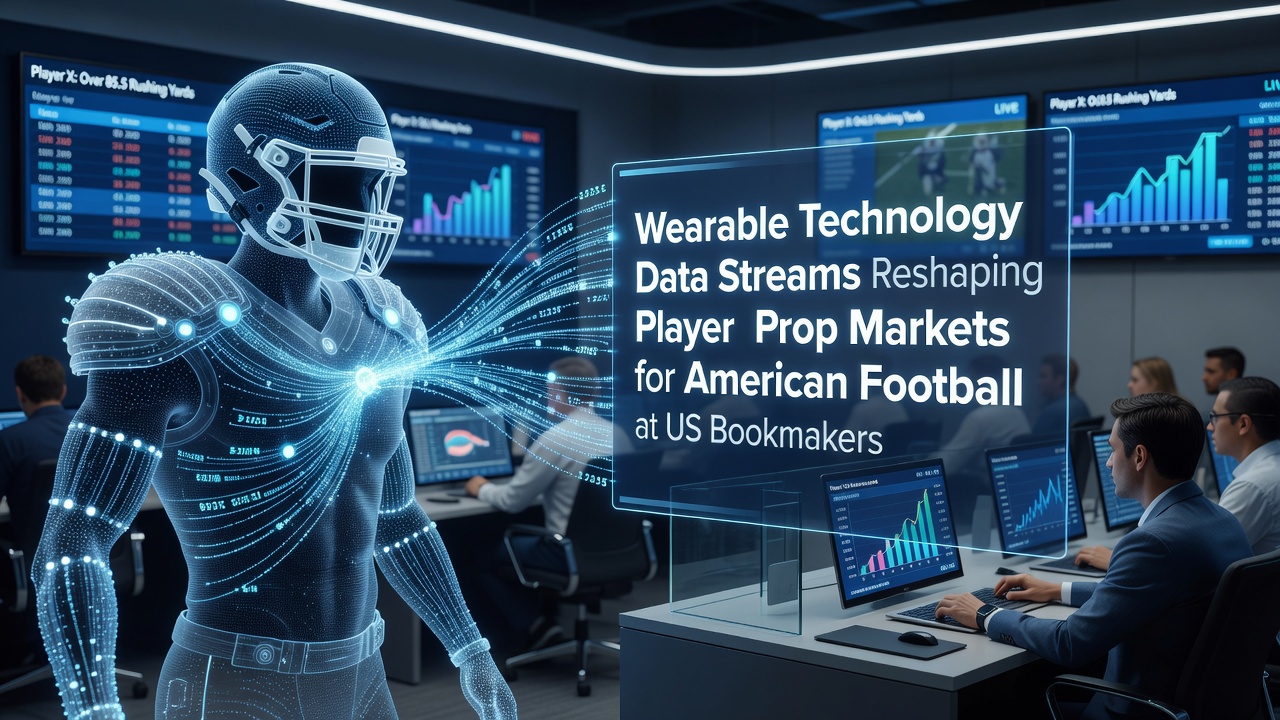
American football player prop markets have expanded rapidly at US sportsbooks since the mid-2010s, yet the arrival of continuous wearable data streams has introduced measurable changes in how those markets form and adjust. Devices that track heart rate variability, acceleration loads, sleep duration and positional movement now generate real-time datasets that reach team medical staffs and, in aggregated forms, influence the odds offered on passing yards, rushing attempts and tackle totals.
Data Sources and Integration Timelines
NFL teams began incorporating GPS and accelerometer units in practice settings around 2014, while consumer-grade wearables gained league approval for game-day use under stricter protocols by 2021. By July 2026 several franchises had extended partnerships with sensor manufacturers to capture biometric readings during both training camp and regular-season games, producing granular logs that cover workload spikes and recovery markers. Sportsbooks operating in states such as Nevada, New Jersey and Pennsylvania receive no direct feeds from these devices, yet public and media reporting of elevated or reduced workloads frequently precedes line movement on related props.
Market Mechanics and Odds Adjustment Patterns
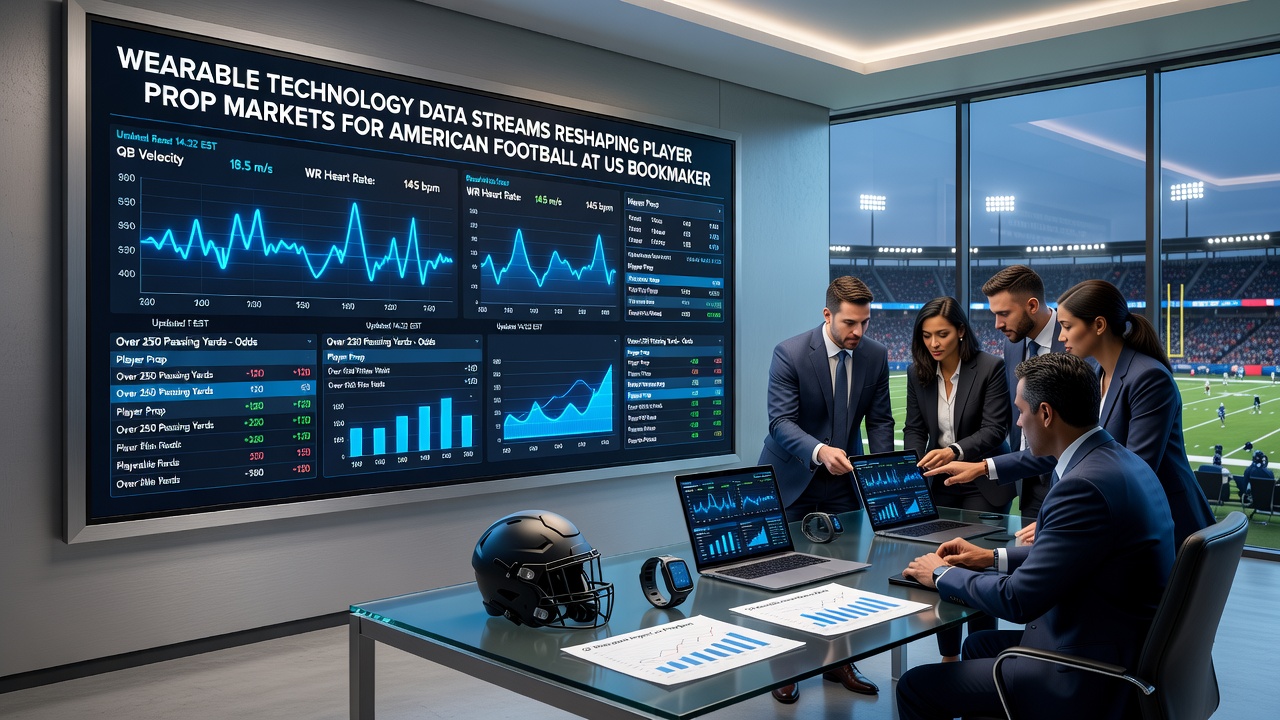
Bookmakers price player props using historical averages, matchup data and injury reports, but the additional layer of publicly discussed wearable metrics has accelerated the speed at which sharp bettors identify value. When reports surface that a running back recorded elevated high-speed running distances in the preceding week, markets on rushing props can shift within hours even before official injury designations appear. Data from the 2025 season showed that props involving skill-position players with documented load-management periods moved an average of 0.7 points more than similar props without such indicators.
Regulatory and Industry Context
State gaming regulators require sportsbooks to maintain transparent pricing procedures, yet they have not issued specific guidance on wearable-derived information because the data remains team-controlled. The American Gaming Association has noted in its annual reports that prop betting handle grew 19 percent year-over-year through the first half of 2026, with player props accounting for a rising share of that volume. Industry observers attribute part of the increase to the availability of supplementary performance context that was previously inaccessible to the betting public.
Academic and Research Contributions
Researchers at the University of Michigan published findings in early 2026 that examined correlations between accelerometer-derived workload scores and subsequent game-day rushing efficiency. Their dataset, drawn from publicly available practice reports and league injury archives, indicated that players whose workloads exceeded seasonal norms by more than 15 percent posted lower yards-per-carry averages in the following contest. Sportsbooks have not altered pricing models solely on these academic outputs, yet analysts at multiple operators have referenced the study when calibrating limits on correlated prop combinations.
Future Data Pathways and Market Implications
Discussions between the NFL Players Association and league officials continue regarding expanded use of biometric data for roster management. Any standardized release of anonymized workload summaries would arrive through official channels rather than individual team disclosures, potentially narrowing information asymmetries that currently exist between sharp bettors and recreational markets. Until such protocols emerge, the flow of wearable-derived insights will remain intermittent and largely dependent on media aggregation of team-provided statistics.
Conclusion
Wearable technology has supplied an additional quantitative dimension to NFL player prop markets without replacing traditional handicapping inputs. US sportsbooks continue to adjust odds in response to public dissemination of these metrics, while regulatory frameworks focus on operational transparency rather than data-source restrictions. The resulting environment features faster line movement and expanded prop variety, driven by the steady accumulation of sensor-generated performance records across the league.